Category Archives: Energy
STELRAD RADIATORS – THE FINISHING TOUCH FOR BOUTIQUE HOMES IN ROSS-ON-WYE
Story
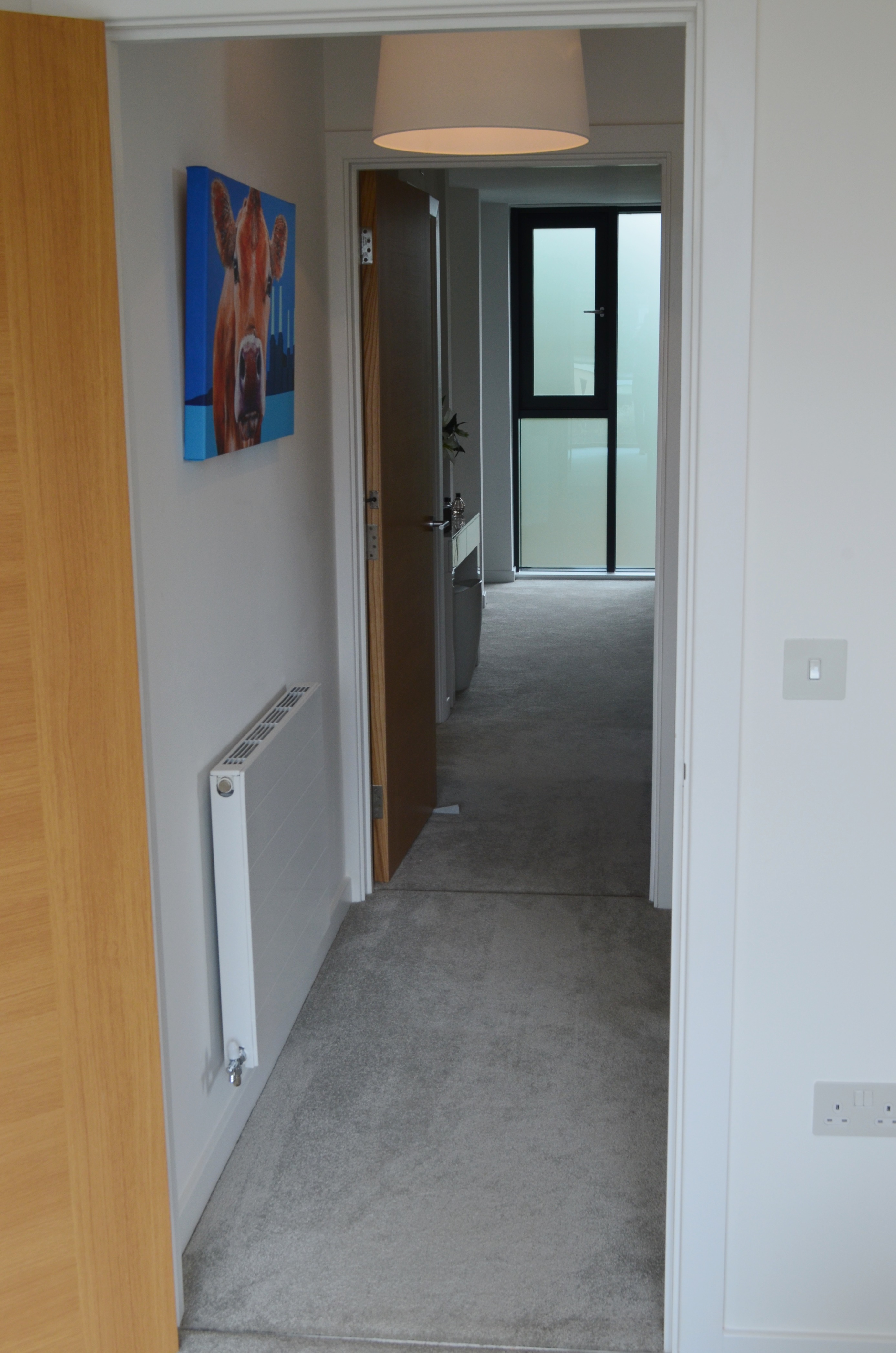 The Avenue in Ross-on-Wye is arguably the most desirable area of this riverside town in rural Herefordshire, yet the contemporary style of these nine quite excellent homes is something very different for a town that is a ‘tad’ conservative.
But clever design, excellent use of materials and the retention of the beautiful mature trees, for the full length of this development, allows these exceptional new build homes to blend in perfectly with their impressive, if more staid neighbours.
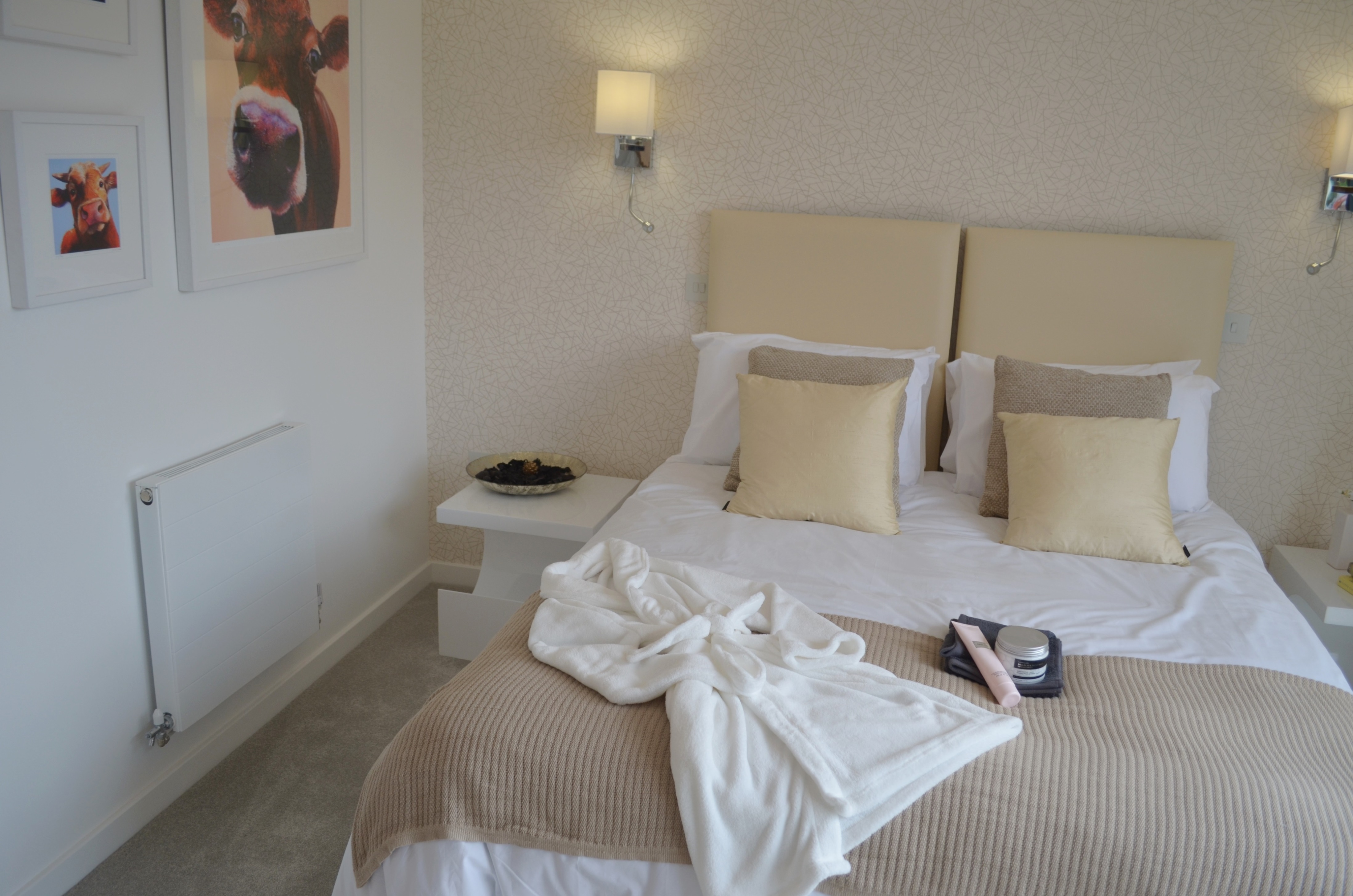
And the heating system is as impressive as everything else about these excellent four detached houses, three majestic apartments and two exquisite lodges – that form The Avenue development. As is common in new build developments these days, the properties benefit from the latest high efficiency condensing boilers that power the underfloor heating on the ground floor, and traditional radiators on the upper floors – although traditional is a bit misleading. The designers of these homes have plumped for high quality Compact with Style radiators from Stelrad in the bedrooms and on the landings, and attractive tubular chrome finish towel rails in the wet rooms and en-suite bathrooms. Compact with Style radiators are slimline, flat fronted, minimalistic radiators with horizontal folds that match other elements of the décor. Increasingly, particularly in upper market quality new homes, the use of decorative and designer radiators is taking over from the stock in trade steel panel radiators that were until a few years ago, the standard answer to the functional heating role in virtually all new build homes.
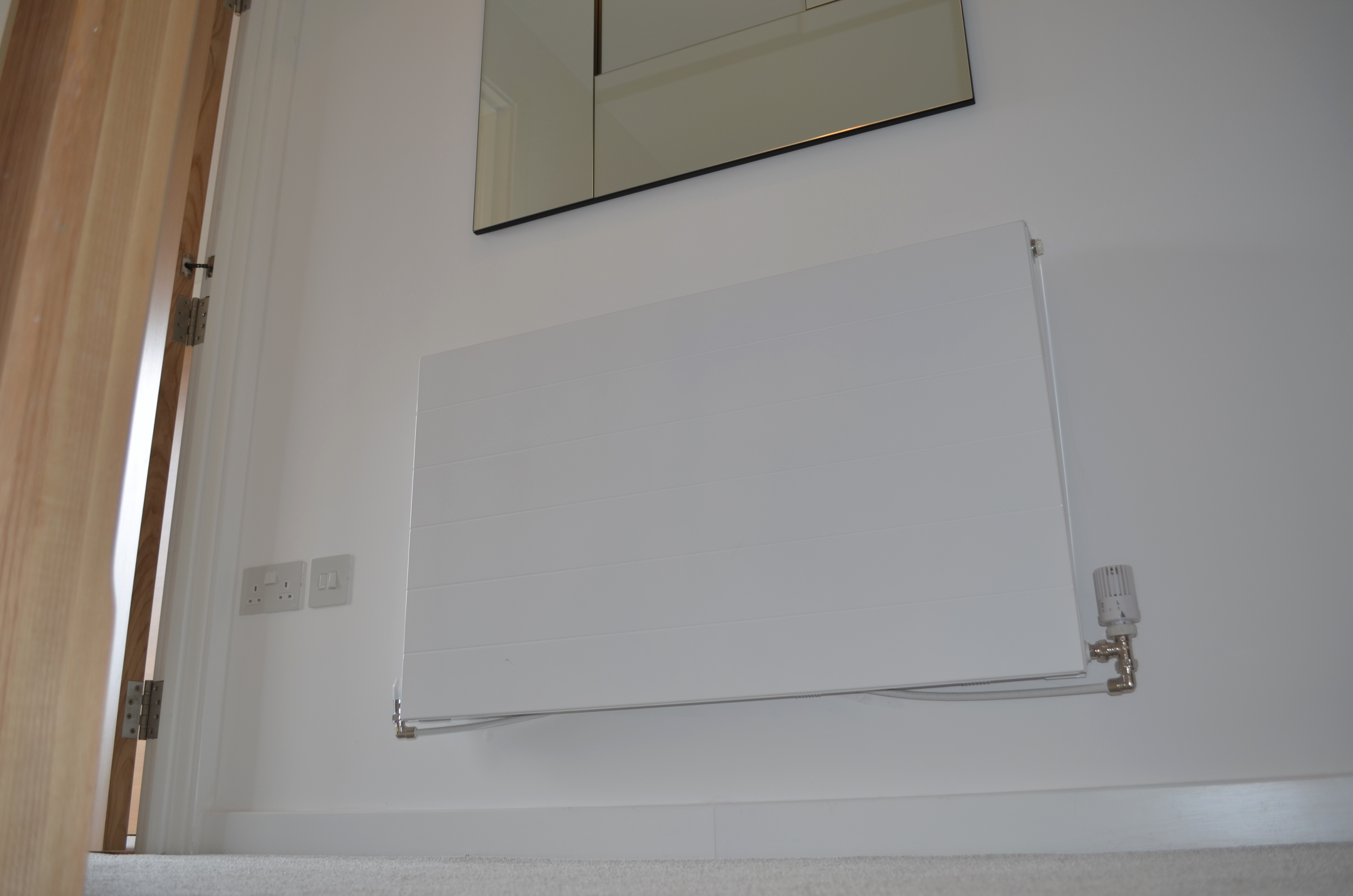 Joint Chief Executive of Freeman Homes – Luke Freeman, who are responsible for The Avenue development says the selection of radiators is as important as any other component of these stunning new homes: “The selection of radiators had to be right. So much thought and care has gone into these homes that we were not prepared to devalue the overall ambience of the homes by settling for anything less than the best – and Stelrad’s Compact with Style met the requirements perfectly. We’re very happy with them and the impression they make and initial feedback from customers and potential purchasers has been extremely favourable.”
“Compact with Style is just one of the many premium radiators we offer in the Stelrad range,” says Sarah Baker, Marketing Communications Manager for the leading radiator manufacturer in the UK. “The design of the radiators compliments the intense feeling of spaciousness in these homes – with the four bedrooms, all with en-suites, spread over the first and second floors, designed to benefit from as much light from the outside as possible. Large rooms, benefitting from radiators that cope perfectly with the heating demand from well insulated homes designed to be as energy efficient as possible. They’re a perfect match.”
Full details of the Compact with Style radiators and the rest of the impressive range of Stelrad radiator designs can be found at www.stelrad.com.
Click on images to enlarge:

View Stelrad's profile:

LG THERMA V MAKES LUXURIOUS RETIREMENT THAT LITTLE BIT WARMER!
Story
 Inglewood Retirement Village nestles gently into 39 acres of superb grounds, close to the Berkshire border. Offering stunning surroundings and awarded gold in the What House? Awards Best Retirement Village Awards 2014, it’s one of ten luxury retirement villages provided across the country by Audley Retirement Villages – one of the UK’s leading retirement living providers.
Inglewood is built close to the village of Kintbury, near Hungerford on land once owned by William the Conqueror. It’s a very old manor house with huge history that has been totally transformed by a succession of owners over the centuries. Today’s Inglewood is an impressive, modern, extended and quite majestic luxury retirement village for the over 55s. And it has the best of everything, including the heating system to keep its owners warm in the winter.
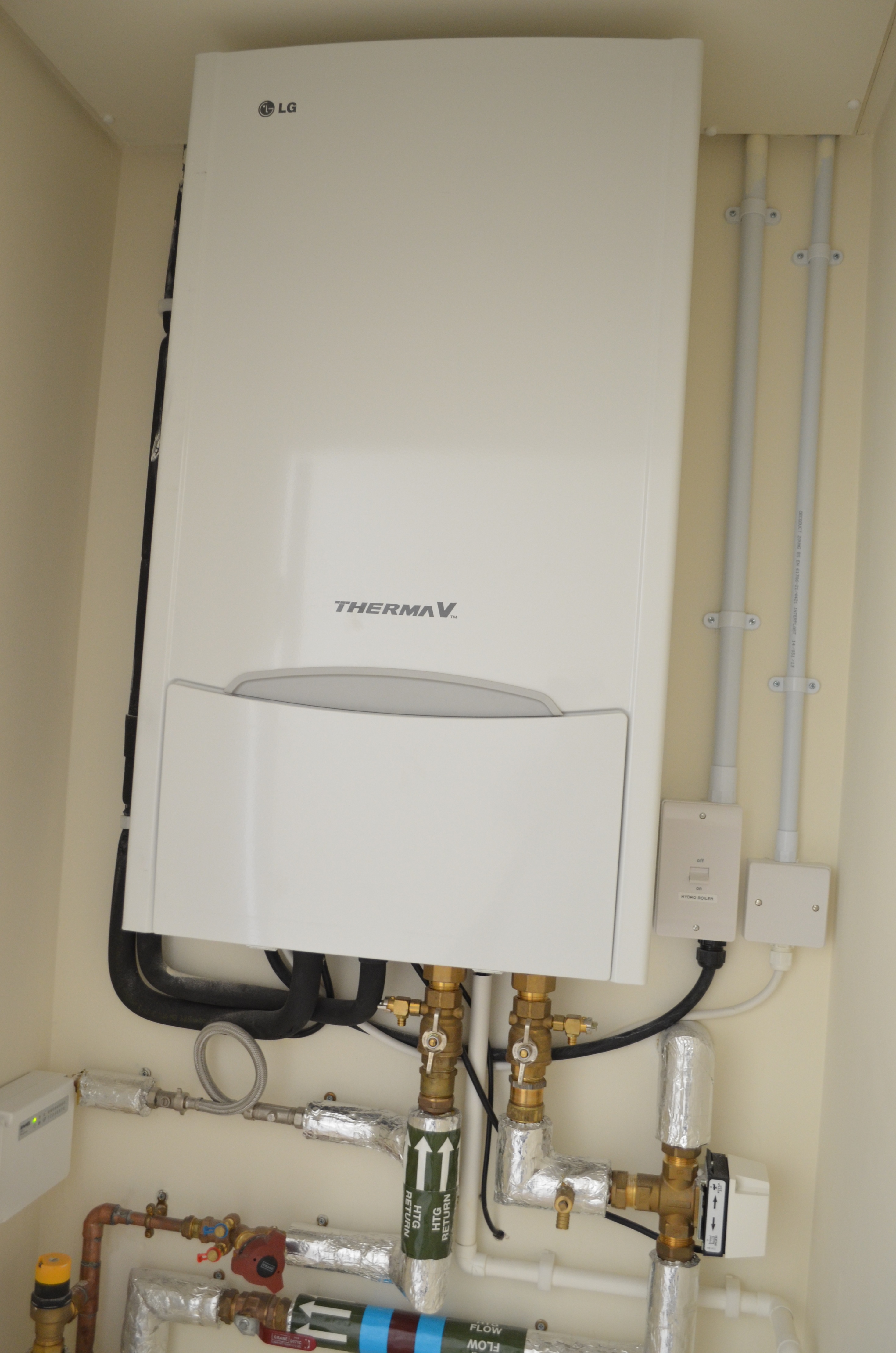
Phase 2 of the development has just been completed and is fully sold, and phase 3 is beginning to take shape. Phase 2 benefits from cutting edge heating courtesy of the latest Therma V Split units from LG, providing cost effective and comfortable heating and hot water for each individual apartment. There are 26 individual units in Phase 2, with the internal installations fitted neatly in a cupboard in the quite exceptional kitchens. The exterior units are installed on the roof of the building, completely hidden from the sight of the owners. Each room in the apartments is separately zoned and controlled by simple dial thermostats allowing the owners total control over the level of heating in each room. The reality is that most owners are totally unaware of the fact that their heating is provided by an air source heat pump installation, rather than a traditional boiler and they are pleasantly surprised by the low level of the heating costs in their new homes.
 The LG units were installed by heating and renewables specialists, Into Heat from Bristol: “We were happy to be asked to install the LG Therma V split units in this project – they’re quality products and we find then easy to fit and reliable to operate,” says IntoHeat’s Dave Canning. “They’ve only been in the property for a few months but we’ve had only positive feedback which is encouraging.”
John Wilcock is the Facilities Manager at Inglewood, responsible for the building and for keeping owners happy: “You might expect with a new and refurbished core building project that there will be teething problems and new owners will point out any issues they have with the apartments they have purchased. Suffice to say that I have had no complaints at all about the heating and hot water systems which tells pretty much the whole story! I’ve been very impressed by the units themselves and the quality of the installation.”
LG continues to see its equipment specified and installed across the UK, with sales growing impressively. For more information on the impressive LG Therma V range, head for http://partner.lge.com/uk.
View LG's profile:

Nortek Global HVAC Launch Their First Packaged Heating AND Cooling Unit
Story
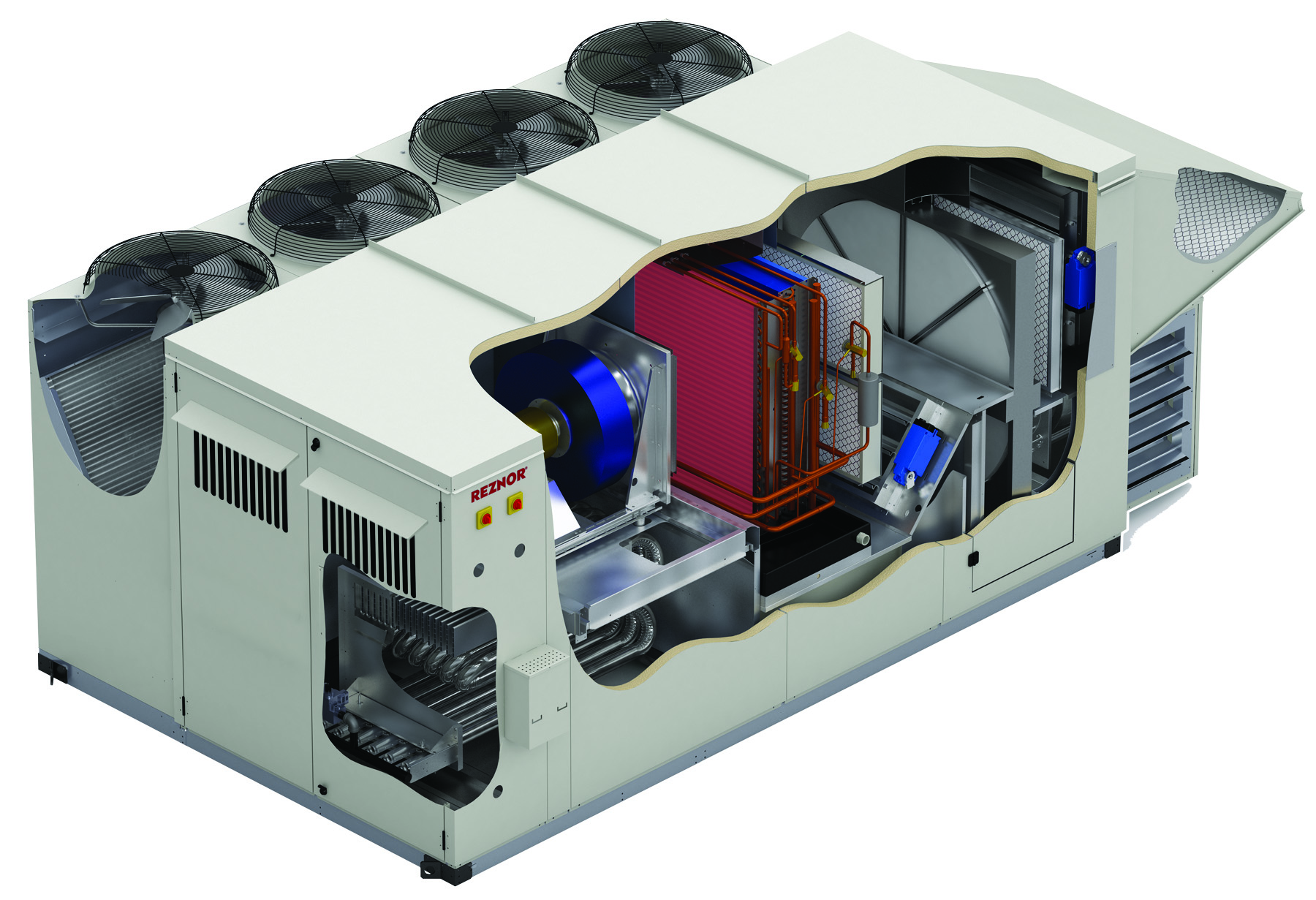 Nortek Global HVAC, the UK’s leading supplier of gas-fired warm air heating and ventilation systems, has launched its first packaged HVAC unit.
Reznor’s P125 is a packaged unit that provides heating, cooling and ventilation for commercial and industrial applications. The unit provides a complete standalone solution for clients requiring energy efficient cooling and heating systems with the ability to provide fresh air and extract air solutions, ensuring a very high standard of indoor air quality.
The P125 is so versatile that it can be used in a number of commercial and industrial applications including, restaurants, cinemas, events centres, arenas, showrooms, exhibition centres and shopping centres as well as distribution centres, warehouses and high-tech production facilities.
This innovative product from Reznor combines many energy saving features to provide class leading performance including modulating heating and cooling to provide accurate and proportional temperature control, variable speed fans to balance and control the airflow, along with heat recovery options with high efficiency thermal wheel and dehumidifying pumps.
Benefits
“For improved effectiveness and in order to maintain comfort conditions within a building along with air quality and humidity, an efficient HVAC system must be able to deal with all climatic variables. Reznor’s range of rooftop units comprising models YDSA, YDHA and YDMA have all been developed with these factors in mind” says Steve Walford, Product Manager. .
The P125 is difference to its adversaries in that it has the ability to provide solutions for between 0 – 100% fresh air. Models YDMA 70 – 100%, YDHA 30 – 70% and model YDSA 0 – 30% fresh air. The unit meets environmental concerns by offering free cooling 0 – 100% using fresh air to reduce energy consumption by the compressors and features a digital scroll compressor with 10% to 100% capacity control to reduce running costs and provide accurate temperature control. There is also a variable air volume (standard) plug fan technology on all models, which reduces fan power for demand control ventilation.
A high efficiency integrated energy recovery (thermal) wheel is available on all models along with 10 – 100% gas modulation for close temperature control and reduced heating costs. The product also features a reheat pump option for superior part load performance.
Added to their existing portfolio of industry leading products, the P125 reinforces Reznor’s position as leaders in the manufacture and development of energy saving products.
View Reznor's profile:

HIGH EFFICIENCY SMALL CIRCULATORS – Is ErP Legislation working?
Story
 European legislation has its friends and its enemies as we have discovered, having survived the rigours of a recent General Election. Whatever the outcome of the promised referendum on EU membership here in the UK, we have to get on with abiding by European Directives for now. With many of the day to day products in use in the heating and plumbing sector being manufactured by European companies, it seems highly likely that with much of the legislation already in place and being acted upon, it would stay whatever the outcome. In the EU, or out, we clearly as a nation, need to reduce carbon emissions and continue to clean up our act on the environmental stage.
There is still a lack of realisation in some circles, of the amount of energy that is used day to day by pumps as a proportion of energy use in the average home. And every home pretty much, has one. Once understood, it’s easy to see why it was a prime area for attention when looking for ways of reducing energy use and reducing carbon emissions. In today’s vernacular, it was something of a ‘no brainer’.
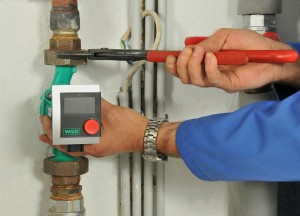
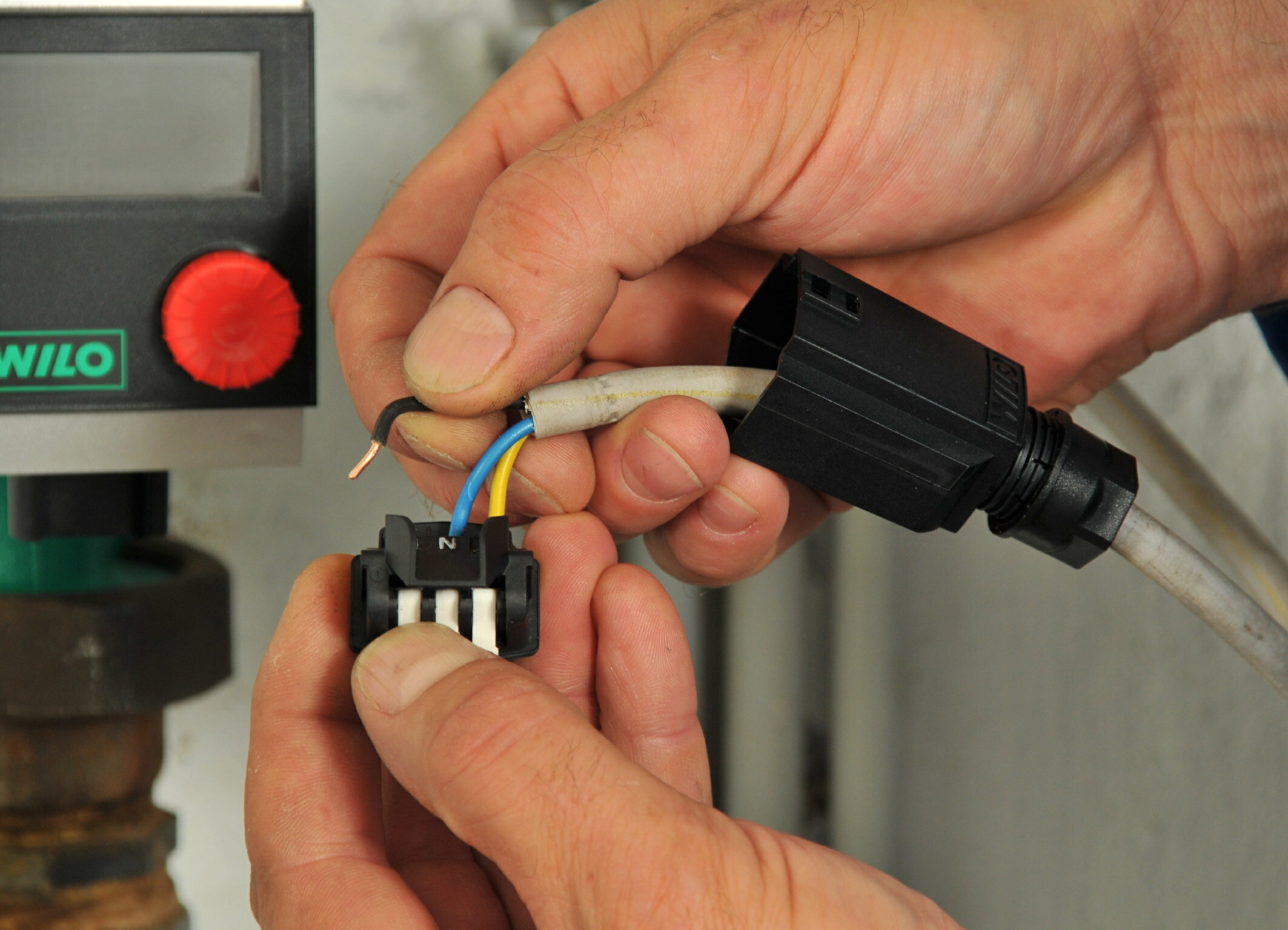 Small circulating pumps are a key component of all wet heating systems in the UK – whether traditional boiler driven systems or new renewable systems. They perform as standalone pumps or as integrated pumps in combi and system boilers and they keep the water circulating in underfloor heating systems too. They are responsible for a much higher percentage of overall household electricity usage than many still realise which is why old uncontrolled pumps were targeted by European legislation as a key way of reducing energy usage in the home, reducing energy bills and reducing emissions. They offered a real way of making strides towards meeting the ambitious environmental targets set by the UK Government and European legislators.
Before January 2013, small circulating pump selection was often made on price. Although some installers had loyalty to a brand, in many people’s eyes, a pump was a pump was a pump. If it did the job, it did the job. There were a few high efficiency pumps on the shelves before the end of 2012, but at a far higher price than the standard efficiency ones. Until legislation said that you had to install them, despite some installers deciding that a high efficiency pump was what the customer deserved as part of an energy efficient heating system, from sales figures alone, it was clear that many were voting with their wallets.
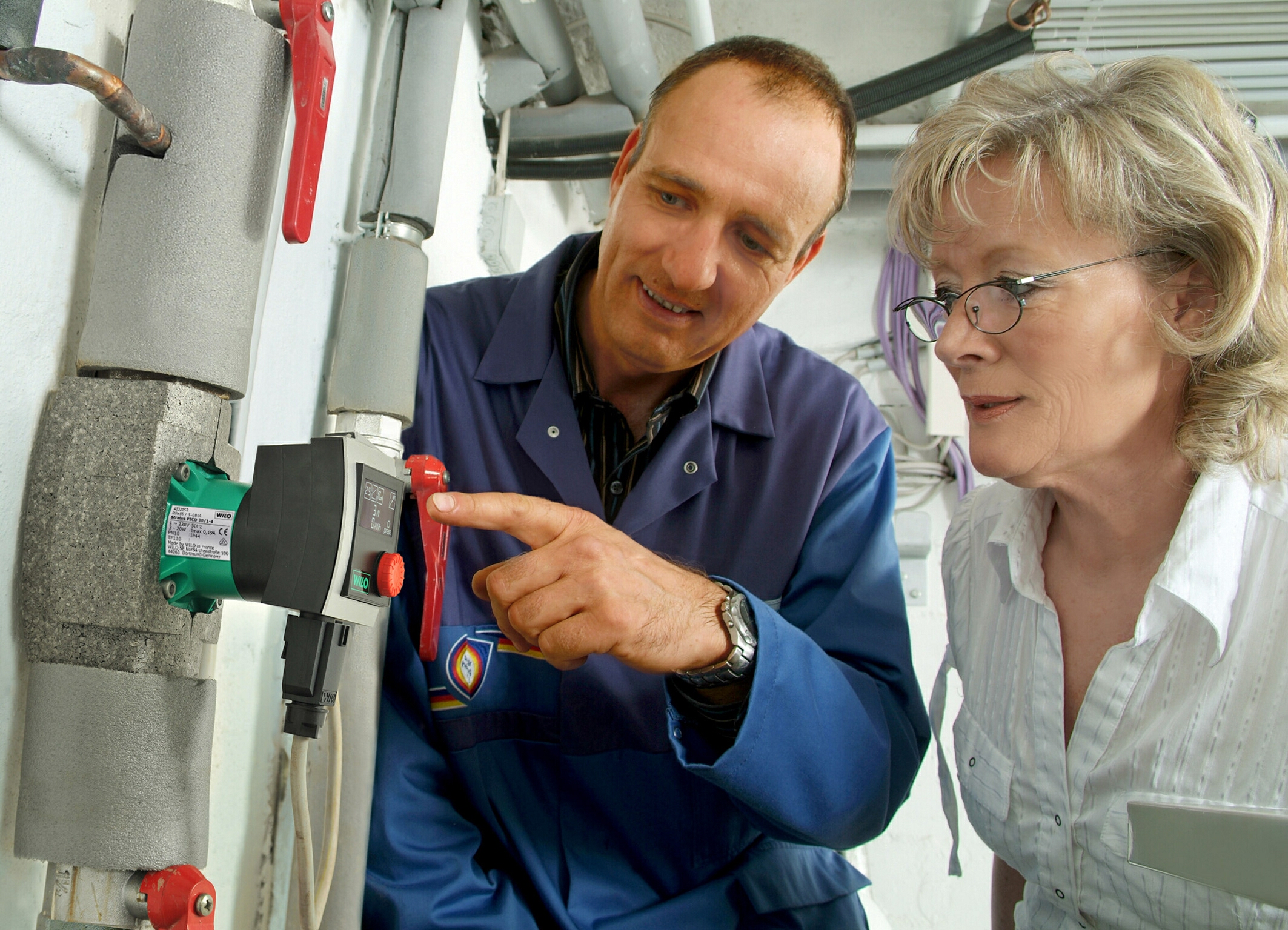 From January 2013 high efficiency pumps were demanded by EU Legislation – the much vaunted ErP Legislation – and whilst there was initially some resistance to comply, as 2013 unfolded and availability of anything other than high efficiency options declined, installers began to buy and install and specifiers began to specify the high efficiency options. Now, just a few months down the line, high efficiency pumps have been accepted and are being installed in their thousands across the UK, with for example, some social housing landlords undertaking major pump replacement programmes, to help reduce their tenants’ electricity bills.
Despite this embracing of the new legislation and availability of the new ErP compliant circulating pumps, the fact remains that there are still many millions of old, uncontrolled small circulators operating in heating systems across the UK. So there is still huge potential to further reduce energy use and energy bills in the months and years ahead. Wilo and other pump manufacturers have begun to see their high efficiency models begin to sell well. Helped by the legislation, there was little choice but to utilise the new high efficiency models.
Although the concept of lifecycle costs was not new in January 2013 when ErP came into force, it was a concept that had largely been associated with commercial projects rather than domestic ones. But suddenly it became more important and the additional costs that inevitably follow the development of exciting new technology – in this case the vastly improved electronics and the arrival of electronically commutated motors (ECMs) for small circulating pumps – were justified by the lower life cycle costs of the new high efficiency, more expensive pumps and the huge savings possible over a ten or fifteen year operational life time. These could pay for the increased capital cost of the pump at the outset, many times over.
Wilo has just announced it is celebrating the sale of 28 million small circulators in the past ten years. In addition the company recently celebrated the selection of its small circulators as the pumps in the new combi boilers launched by two major boiler manufacturers here in the UK. Wilo’s high efficiency small pumps – in particular the Wilo-Yonos PICO – have made a huge impact in the UK heating and air conditioning sector over the past two and a half years, since the arrival of the ErP legislation in January of 2013.
Wilo’s series of glandless pumps – Wilo-Yonos PICO, Wilo-Stratos PICO and Wilo-Stratos – are seeing increasing popularity across the board. They are relevant for nearly all applications for heating, air-conditioning and cooling in the building services area – from the family home to a small commercial or industrial building.
Sadly, as always, some people will try to circumnavigate new legislation and ignore the drivers for environmentally friendly products. There has been genuine concern in the pump industry about the on-going availability of non-ErP compliant pumps, and the mislabelling of some pumps being imported into the UK and European markets since January 2013. European manufacturers are concerned that these pumps, although cosmetically looking like the new high efficiency models, in some cases, do not meet the requirements of the ErP regulations. Wilo, along with fellow members of the British Pump Manufacturers Association, continues to monitor this situation and report breaches of the regulations to the relevant authorities.
In general terms, the arrival of the EU ErP Directive has clearly begun to make significant inroads in the energy consumption figures, and as a result the emissions figures. There’s a long way still to go to hit the targets being demanded. But the age of the energy efficient pump is very much here.
To find out more about Wilo’s highly convenient, reliable family of high efficiency, ErP compliant small circulating pumps, just click on to www.wilo.co.uk.
View Wilo's profile:

Klober airtightness accessories at the Building Centre
Story
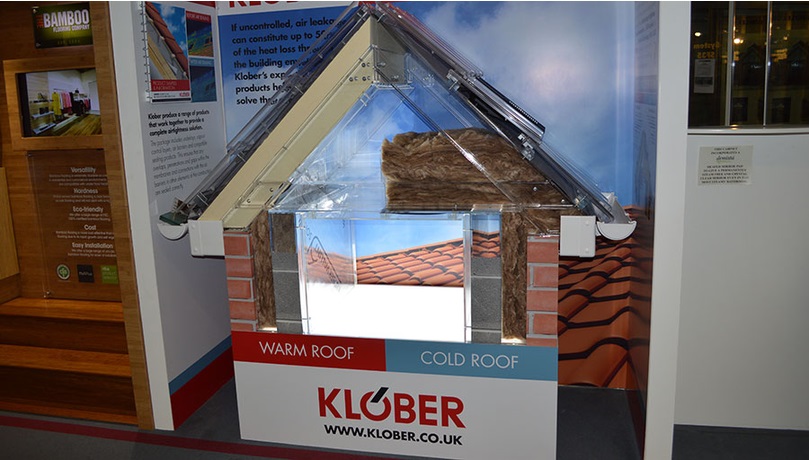 For those designing energy-efficient buildings, roofing specialist Klober now has a permanent exhibit at the Building Centre. Klober has pioneered the development of tapes, sealants, sealing collars and vapour control layers to seal the roof space, ceilings and tile penetrations. The company also manufactures high performance air-open and vapour permeable underlays for all roof types and pitch in order to provide balanced ventilation and airtightness. As with all exhibits at the Building Centre, brochures are available on site or via Specifinder – http://tinyurl.com/p4mjgmz. A roofing airtightness CPD presentation can also be booked by calling Ann Leeson on 01332 813060.
View Klober's profile:

WARMING TO STELRAD IN ARK PUTNEY ACADEMY
Story
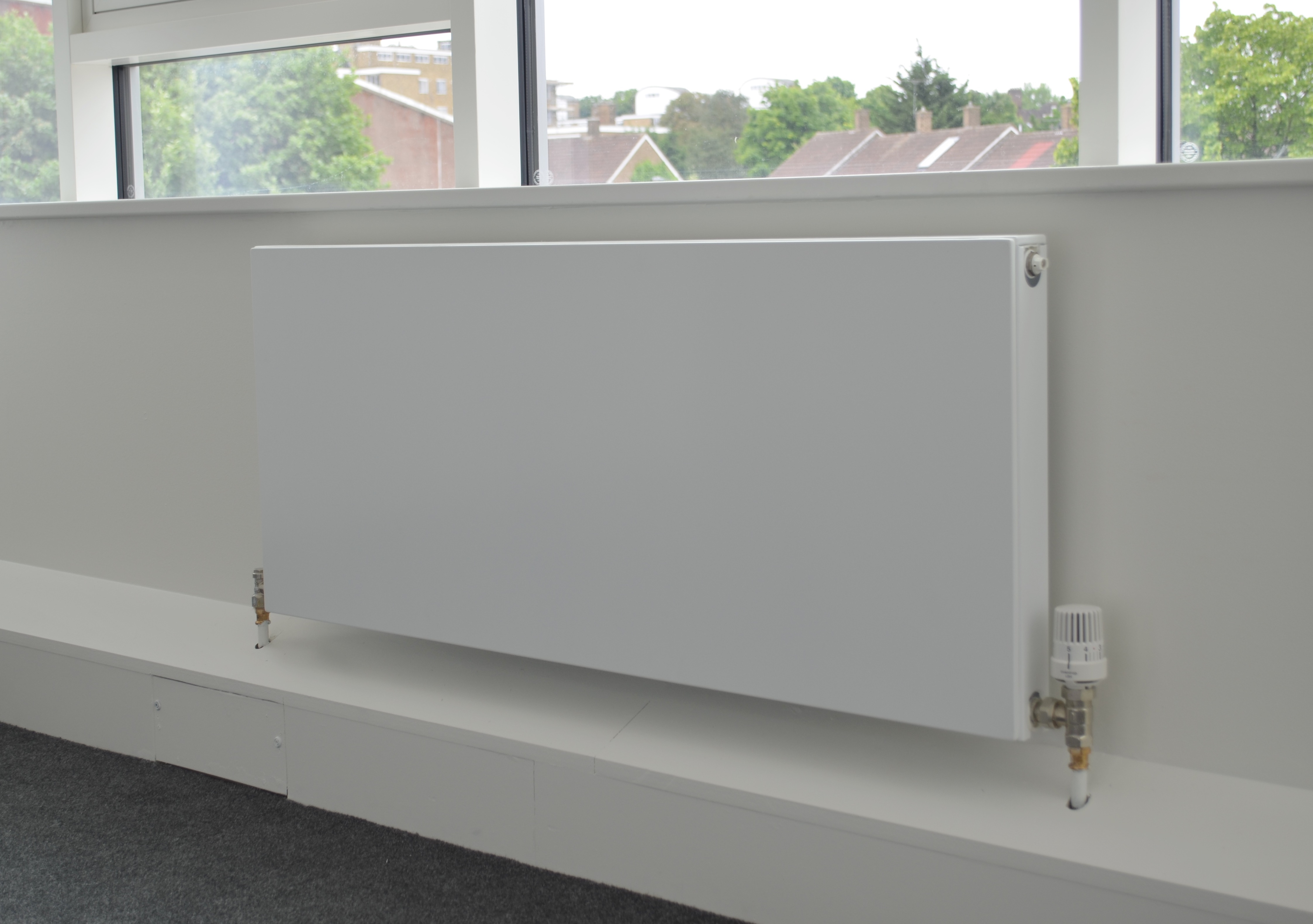 Whilst Stelrad radiators are often associated with residential installations, increasingly they are being specified for commercial and public buildings where the quality of their manufacture and consequent longevity as part of an energy efficient heating system make huge sense. One major area where Stelrad radiators are making their mark is in educational buildings – schools, colleges and universities across the UK, where they work equally well with traditional boiler driven heating systems or modern renewable systems, ground source and air source heat pumps in particular.
Putney Academy in south west London, is one of 31 academies owned and managed by ARK in the UK. The organisation took over the former Elliott School in 2012 and has set about improving the quality of the buildings and their surroundings in a big way, such that the main buildings have been totally refurbished with high quality, modern school facilities that will hugely benefit the pupils attending the academy. The work will be completed by the time staff and pupils return to school after the summer holidays.
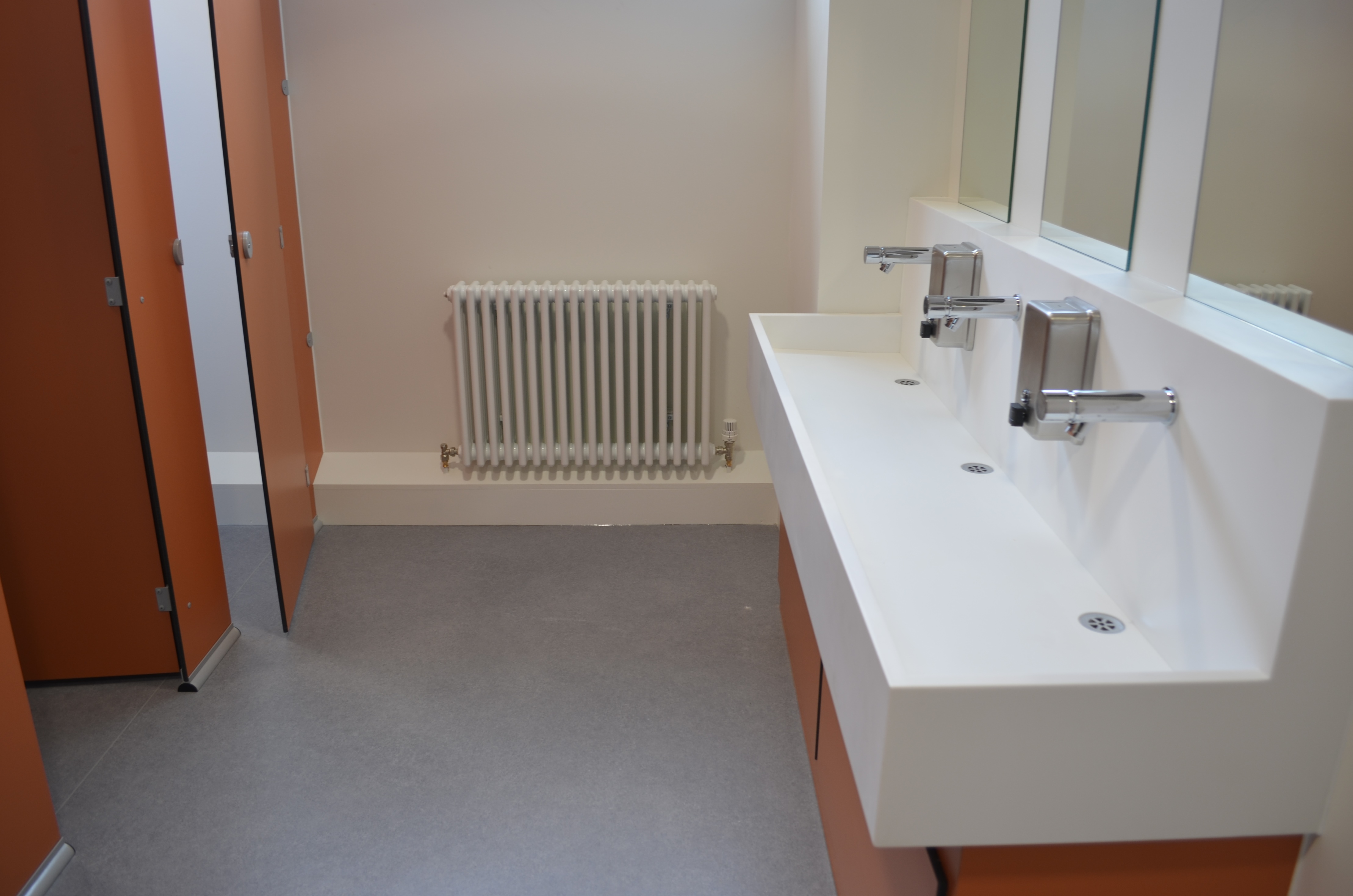
Part of the major refurbishment work at the academy has inevitably seen the provision of a brand new heating system to provide comfort and warmth in the colder months of the year. Both the UK’s leading low surface temperature range – perfect for a building with young people, offering safe heat from radiators where the surface temperature of the attractive casing never exceeds 43 degrees C – and a smaller number of Stelrad Planar designer, flat fronted radiators along with a selection of traditional Classic Column radiators were specified for the project.
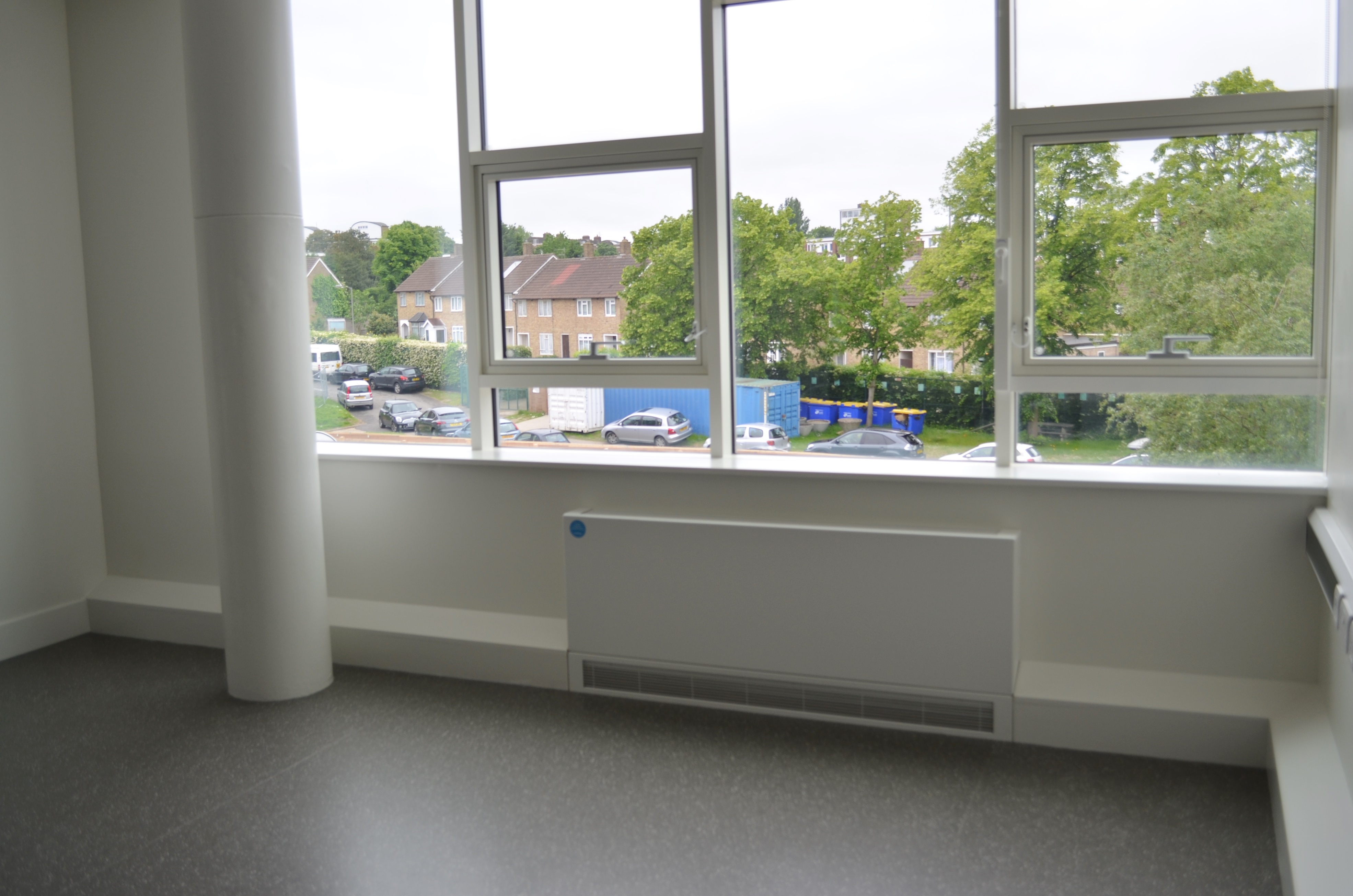 Skelly & Couch are the building environment and services engineers for the project. Director Mark Maidment says: “We wanted quality radiators to complement the other components of the heating system but in particular wanted to use LST radiators in areas of the academy where youngsters congregate to ensure maximum safety. Stelrad’s leading range of LST radiators are easy to install and offer the maximum protection to the end user – the casings actually cover the pipework as well as the radiator itself so there are no ‘hot’ areas that could cause any problems. In addition, it’s vital the radiators used in a school environment are built to be robust and able to withstand and resist vandalism and day to day wear and tear. With those manufactured by Stelrad, the casing is held by security fittings that are quick and easy to install. The security fittings have a unique seam fixing bracket system that prevents unauthorised access to the emitter inside the casing.”
“We were delighted that our radiators were specified for this project,” says Stelrad’s Chris Harvey. “We’re seeing a huge increase in the use of our radiators in commercial and public buildings. The use of LST radiators in schools makes huge sense from the point of view that they provide safe heat whatever environment they are installed in and they are protected from tampering by the way they are fixed to the wall, ensuring that the heating systems on-going performance is not compromised.”
Full details of the wide range of radiators available from Stelrad can be found at www.stelrad.com.
Click on images to enlarge:

View Stelrad's profile:
Passivhaus Certified Office, Syston
Story
 The new regional office for Interserve Construction Ltd in Syston, Leicestershire features some of the most advanced green building solutions to achieve a targeted 90% reduction in energy usage and costs compared with a traditional building.
27 windows and four doors from the GENEO® system were installed in the £1.5m, 680m² Passivhaus certified office, the majority of which were across its south facing aspect to increase solar gain in winter and minimise the requirement to generate additional heat. The 86mm REHAU GENEO® window is manufactured using the 100% recyclable RAUFIPRO® fibre composite material.
The inherent strength of this material enables the six chambered REHAU GENEO® system to perform without any requirement for steel in standard sized windows, eliminating the thermal bridges which can occur in conventionally reinforced PVC-U and which result in energy being lost.
View Rehau's profile:

Crittall’s stylish windows solution
Story
 A prestigious headquarters building has been created within the stylish Harley Street Conservation Area in central London with the help of Crittall Corporate W20 windows both inside and out.
No. 116 Marylebone Lane, a four-storey 1930s building in the W1 area north of Wigmore Street, is owned by the Howard de Walden Estate and was previously in use as a Cordon Bleu cookery school.
Architects Morrow+Lorraine, who have particular expertise in the London commercial office, residential and retail sectors, were engaged to refurbish the building converting it from D1 non-residential use into a B2 self-contained Grade A office building.
A layout was chosen that maximises the floor to ceiling height with clear open floor plans yielding some 150 sq m on each of the four floors plus basement. The design provides for flexible space devoid of lobbies so as to aid free-flowing circulation.
‘The building frontage had been badly altered in the past and we wanted to recreate the elegance of the original façade which was achieved using a combination of glazed bricks, bespoke joinery and new steel windows,’ says director of Morrow +Lorraine Julian Morrow.
The project architect Peter Merrett takes up the story: ‘“We selected the Crittall Corporate W20 product to re-create the slim lines of the original 1930s glazing that needed to be replaced, whilst dramatically improving the thermal performance by incorporating double glazed units. The choice was largely driven by a desire to maintain the same pattern of glazing bars to preserve the character of the Marylebone Lane conservation area.”
 The Crittall Corporate W20 units were employed front and rear in the refurbishment and the front elevation at ground floor level was reconfigured to reflect the original drawings from the architectural practice Forbes & Tate who designed the building in 1926-27.
Internally, the designers wished to reveal as much of the original fabric as possible. This was achieved by stripping back finishes and exposing the steel columns of the building’s structural frame. This emphasis on the use of steel was enhanced by the fenestration of the façade, a new steel staircase and the use of steel internal partitions.
‘We used the same Crittall Corporate W20 system to create single glazed screens which in turn allowed for a visual connection between the office space and the stair well, reception area and common parts, ‘ explains Peter Merrett. Referring to the W20 he adds: ‘The product is a design classic which fits seamlessly with our industrial, yet refined interiors.’ The inclusion of fire-rated and acoustic glazing also enhanced the technical performance of the Crittall Corporate W20 system.
The Crittall partition in the reception area acts as a muted backdrop to the focal point of the space, namely a bespoke polished concrete desk designed by Morrow+Lorraine and constructed by Lowinfo Design.
Project data
Location: 116, Marylebone Lane, London W1
Client: The Howard de Warden Estate
Architect: Morrow+Lorraine
Main contractor: Cameron Black and subsequently ARJ Construction
View Crittall's profile:

Wakaflex used as solar panel apron
Story
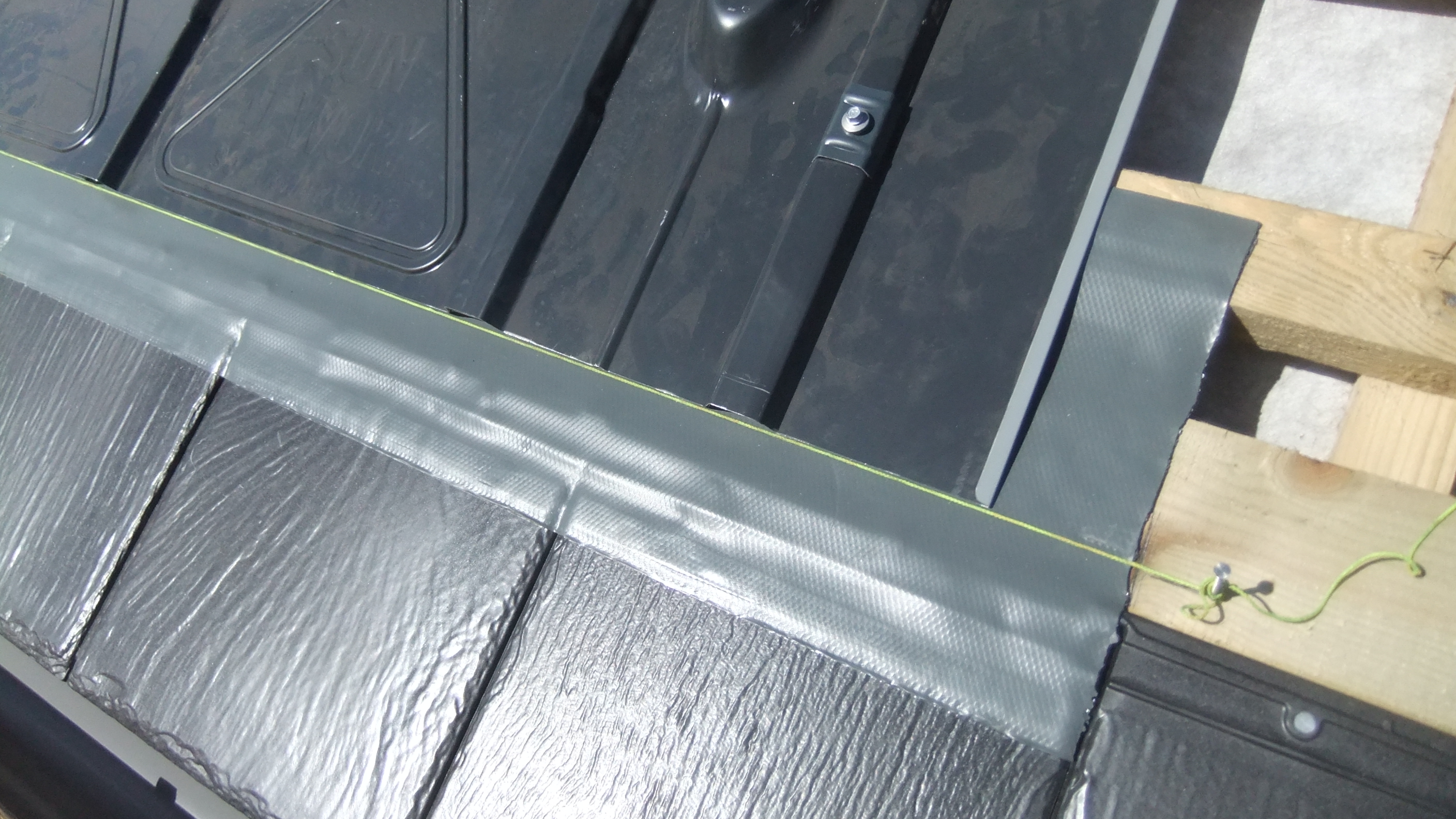
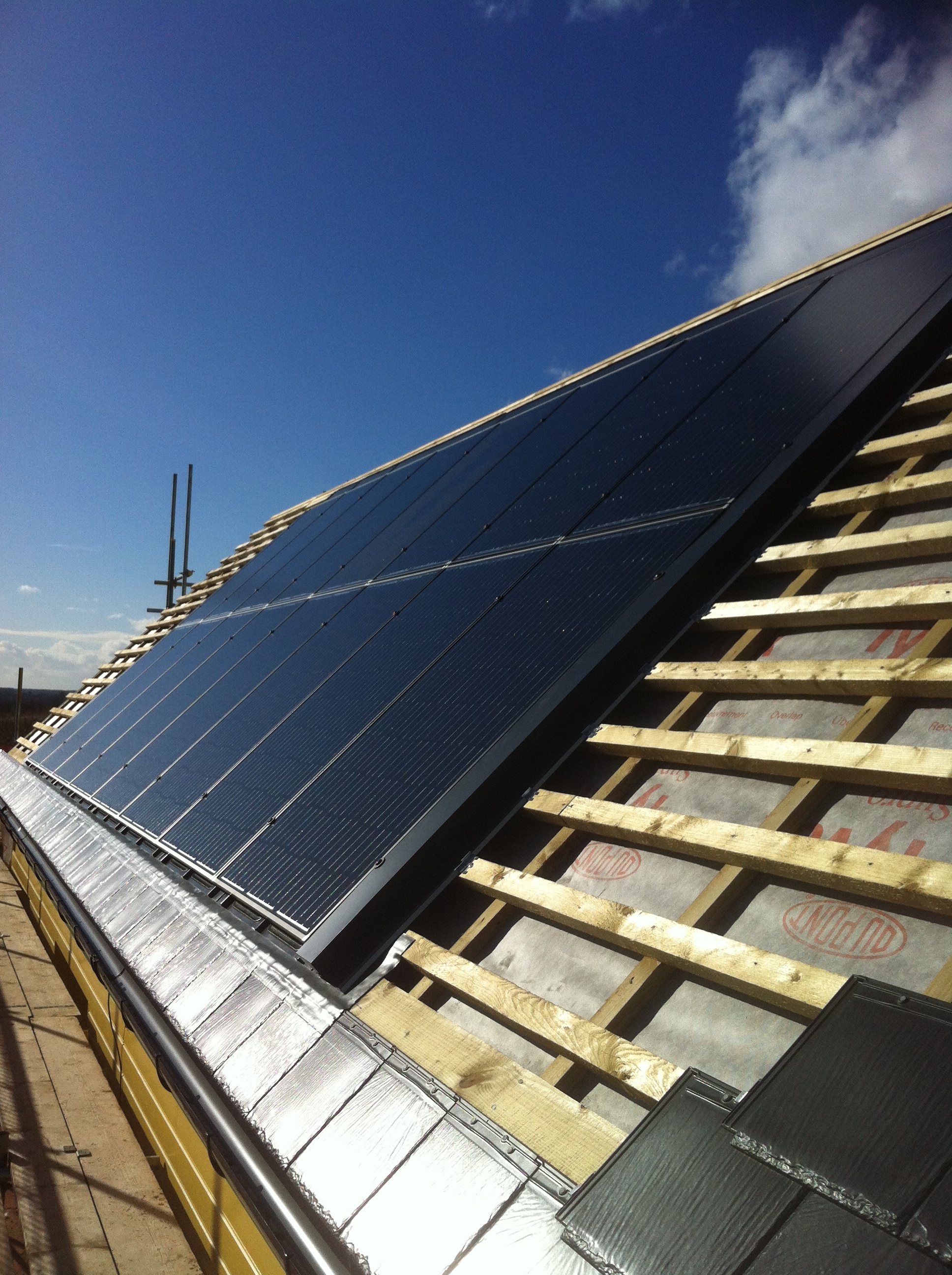 SolarWorld UK has begun to use Wakaflex to provide a watertight seal between its panels and the roof. Wakaflex can be used with either PV or solar thermal systems, its exceptional stretchability making it ideal for use with even deeply profiled tiles. Highly durable and available in four colours to blend with the roof covering, it can be stretched by up to 60%. A high-tack butylon backing not only provides immediate weatherproofing protection and wind uplift resistance but self-welds when used on laps.
Click on image to enlarge:
View Haus Profi's profile:

NEW RADIATORS MEAN SAFE HEAT FOR SHELTERED SCHEME
Story
RESIDENTS IN PICTURESQUE SNOWDONIA
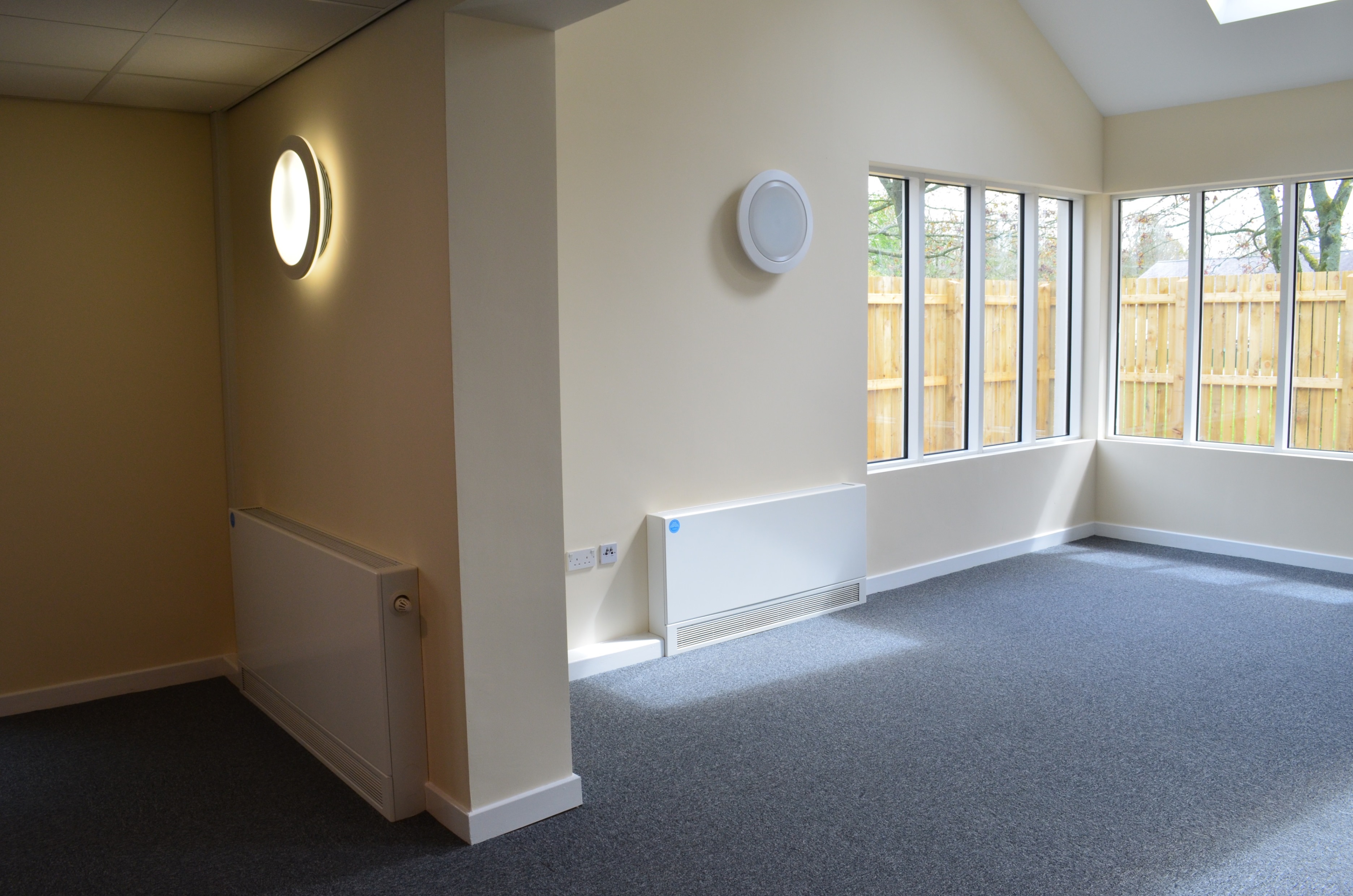 Leading radiator manufacturer Stelrad has supplied 155 of its sector leading low surface temperature radiators to provide safe and controllable heat in a refurbished sheltered apartments scheme – Cysgod y Coleg – in beautiful Bala – in the Snowdonia National Park in North Wales.
This scheme is just part of an overall £136 million refurbishment project being undertaken by Cartrefi Cymunedol Gwynedd – CCG – and highlights the level of investment the social housing provider is prepared to make in its extensive portfolio of social and sheltered housing across the region.
The work in Bala is being undertaken by main contractor Lovell Partnership, with the help of specialist plumbing and heating installers Aspect Plumbing & Heating. The selection of the Stelrad LST standard radiators was made by Engineering Design Services in Chester and these high quality radiators will be the means of sharing heat throughout the 28 apartments over two floors of this scheme and in the communal areas for residents use as well. The new heating system is driven by the latest condensing boilers and replaces an elderly and highly inefficient electric heating system that saw a large number of electric storage heaters throughout the premises.
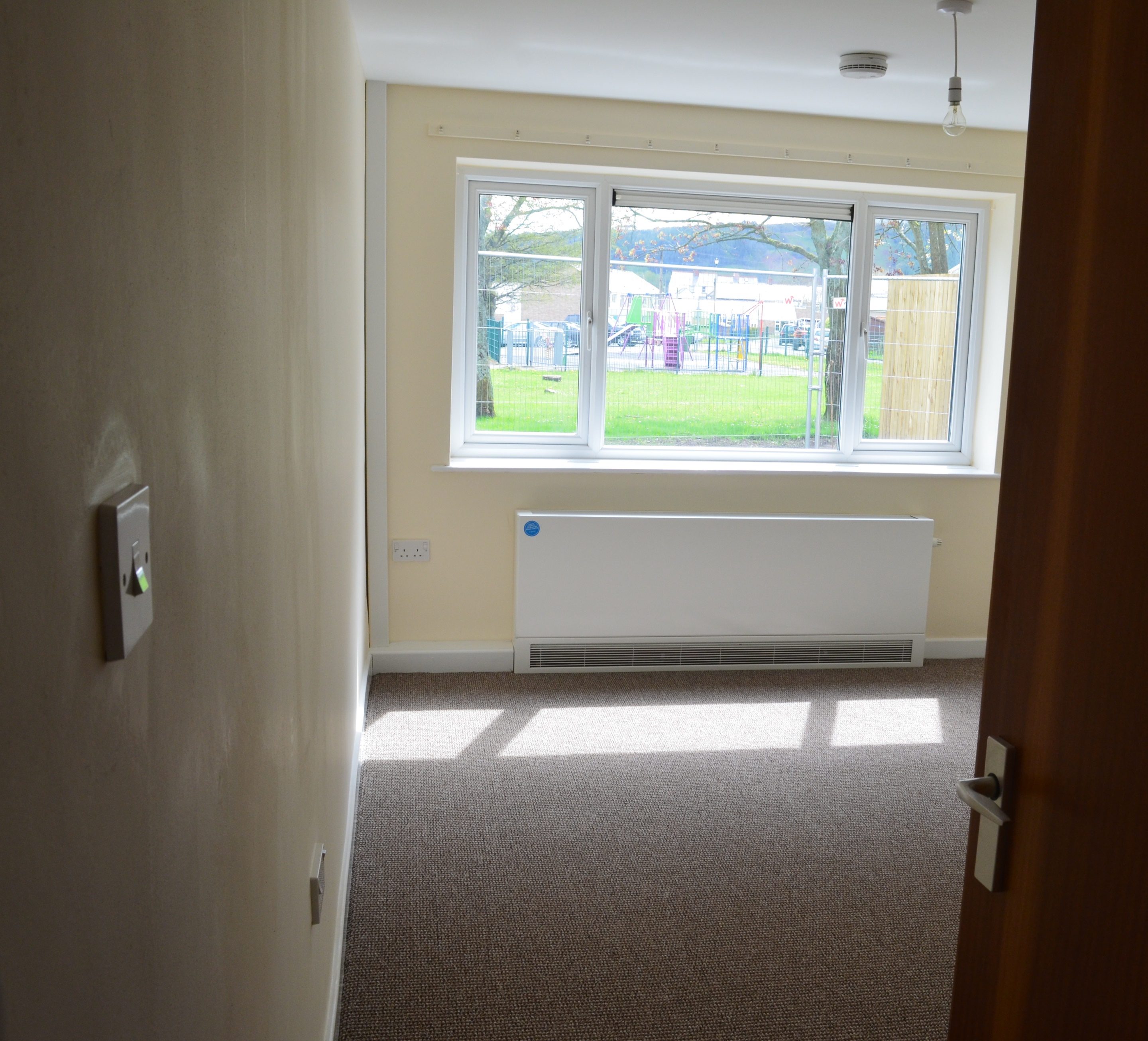 LSTs are specially designed to provide comfortable heat, but in a radiator whose casing never exceeds 43 degrees centigrade. This makes them ‘safe to touch’. LST radiators are key where there is a need for special heat emitters that are ideal for safety critical environments – especially those that need to meet NHS Guidance for ‘Safe Hot Water and surface temperature’ – in hospitals, care and nursing homes, doctors and dentists surgeries as well as schools, nurseries and as in this case – sheltered accommodation. It’s a specification requirement of building designers and architects that the heat emitters in these buildings protect the young, the elderly and the vulnerable, who will live in or visit buildings such as these.
LST radiators negate the risk of in particular, older people falling and injuring themselves on a radiator along with potential dangers from those with a visual impairment bumping into or brushing against radiators. Some elderly people have a reduced sensitivity to high temperatures and others simply cannot react quickly enough to prevent injury from hot surfaces if they inadvertently touch and come into contact with a conventional radiator, where surface temperatures may be as high as 75°C. Older people and those suffering injuries have an increased susceptibility to losing their balance and falling, and the possibility of these people falling and becoming trapped against a conventional radiator brings the need for LST radiators sharply into focus. With Stelrad LST radiators, the casing also covers the incoming pipework making sure all the heated surfaces are concealed and that any exposed surfaces stay at a safe temperature of no more than 43°C.
“These LST radiators are simple to fit and offer quality heat emitters that are controllable and effective in a building such as this,” says Phil Houghton from Aspect Plumbing and Heating. “We have fitted these for many years and were happy to find they were specified by the architects for this job.”
“The safety and comfort of our tenants is the key consideration for us,” says Steve Williams, Contract Co-ordinator for CCG. “When looking at the refurbishment of Cysgod y Coleg, it was clear that these low surface temperature radiators were the answer for the apartments, the corridors and the extensive communal lounge areas within the newly revamped building. The new radiators combined with the condensing boilers, high levels of insulation and the new, precise heating controls installed will see far more effective heating and a much more cost effective heating system than the old building had. It’s a major investment but one that will pay back relatively quickly for us in lower energy bills.”
“We’re delighted that our LST radiators were selected for this particular sheltered scheme in Bala,” says Stelrad’s Marketing Communications Manager Sarah Baker. “Our LST range is the most popular range in the UK and contributes to the safety and comfort of huge numbers of elderly, young and vulnerable people in the country. Low surface temperature radiators are clearly a highly effective way of guarding hot surfaces and eliminating the dangers of burning people who are in the vicinity, whether in their homes or in a public building.”
Full details of the Stelrad LST range can be found on www.stelrad.com, you can call for brochures and information on 0844 543 6200 or email marketing@stelrad.com . You can follow Stelrad on Twitter @Stelrad or on Facebook at www.facebook.com/StelradRadiators.